Cart 0

Why Consistent Hair Colour Is What Keeps Clients Coming Back
Ask any salon owner what their biggest retention challenge is, and the answer almost always comes back to one thing: colour.
Not bad colour. Not wrong colour. Inconsistent colour.
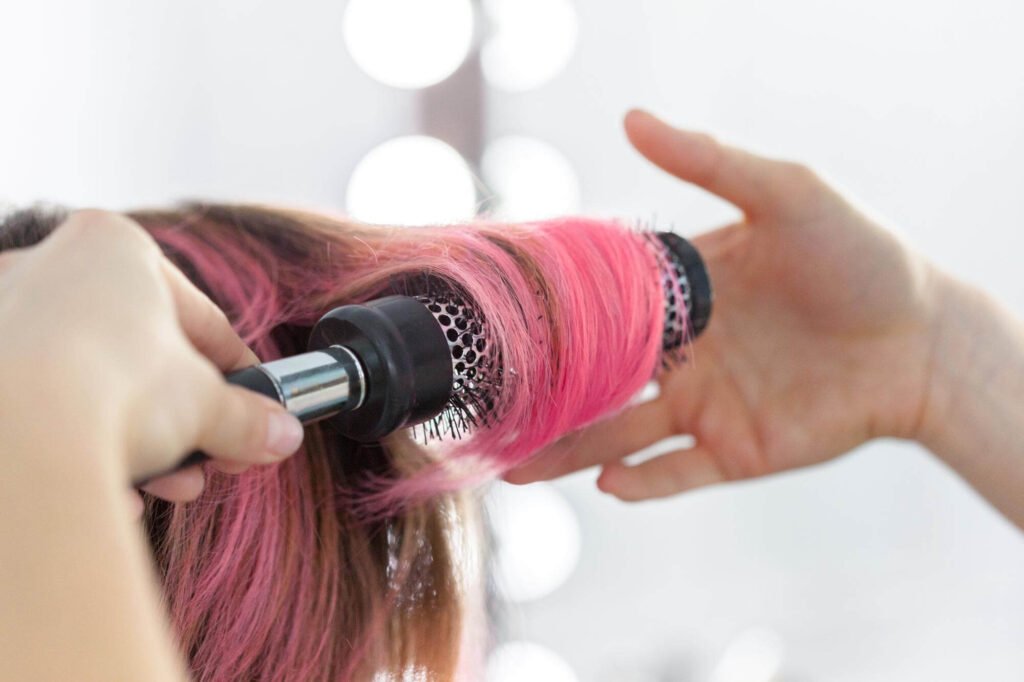
A client comes in, gets a shade she loves, posts it on Instagram, and books again six weeks later. But this time it looks slightly different. Maybe the toner sat a bit longer. Maybe a different colourist mixed the formula slightly off. Maybe the developer ratio was just a touch different.
The client doesn’t say anything. She pays, smiles, and quietly books her next appointment somewhere else.
This is one of the most common and most invisible reasons salons lose clients. The fix isn’t hiring better colourists. It’s building a system that makes consistency the default, not the exception.
Here’s how to do it.
1. Start Every Colour Service with a Proper Consultation

This sounds obvious, but most salons skip or rush this step, especially with returning clients.
A proper colour consultation should cover:
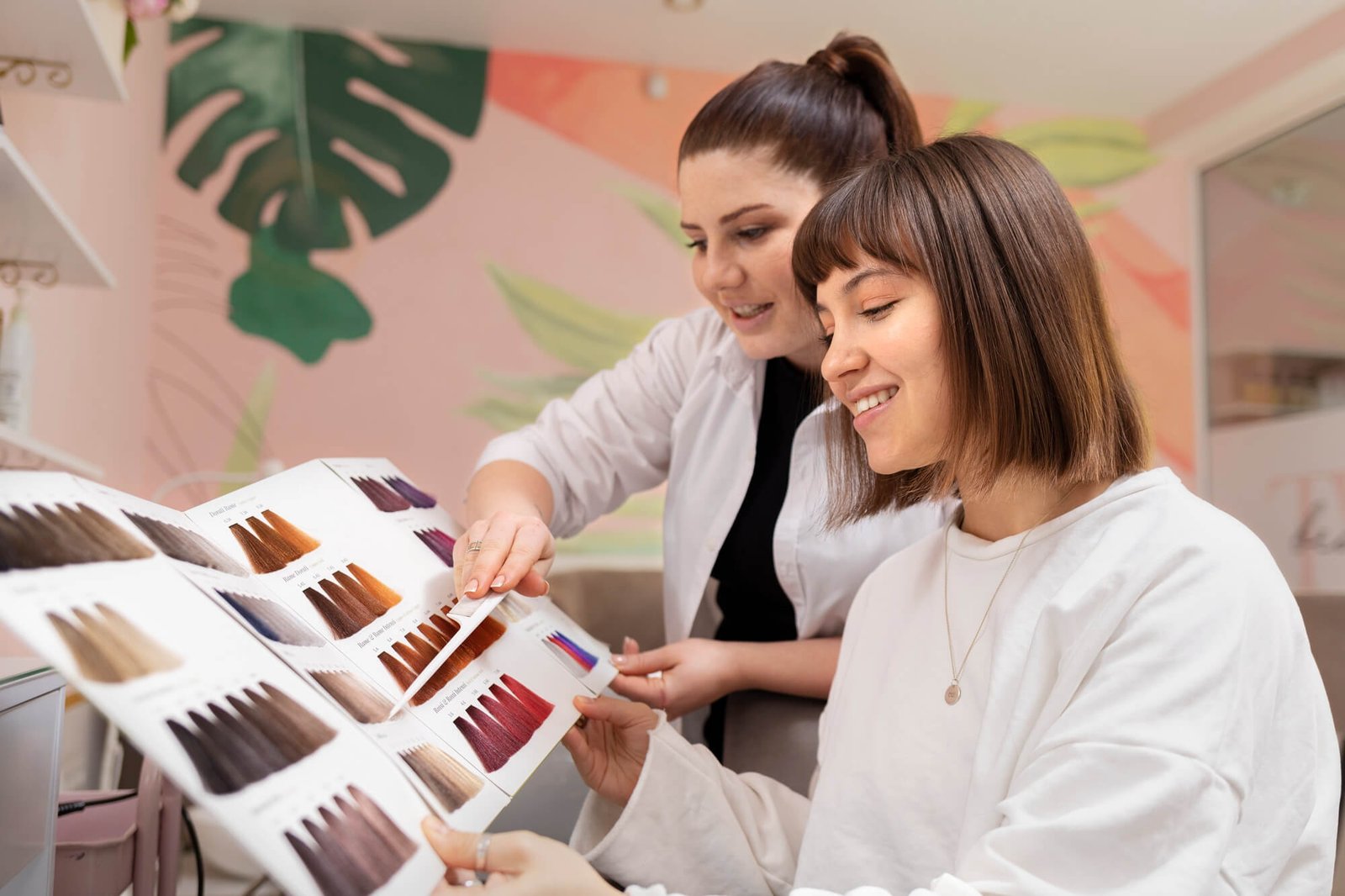
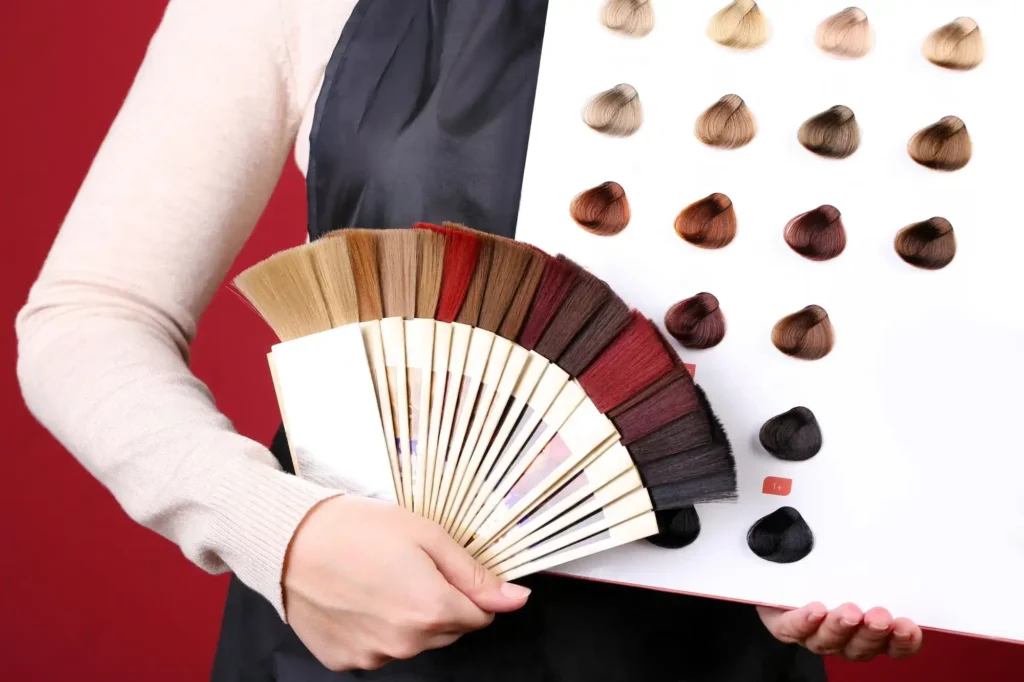
What the client wants (reference photos help more than descriptions)
Their hair history: previous colours, chemical treatments, how long ago
Current hair condition: is the hair damaged, porous, resistant?
Scalp condition: any sensitivity or irritation?
Lifestyle factors: how often do they wash? Do they swim? Spend time outdoors?
The consultation isn’t just about getting the colour right the first time. It’s about documenting what you learn so you can get it right every time after that. Knowing which shades are in demand helps too, since the hair colour shades Malaysian clients are asking for in 2026 are usually the ones walking through your door with a reference photo.
Pro tip: Take a photo of the finished colour under salon lighting before the client leaves. This becomes your reference point for the next visit, much more reliable than memory.
2. Record Every Formula. No Exceptions
This is where most salons fall apart.
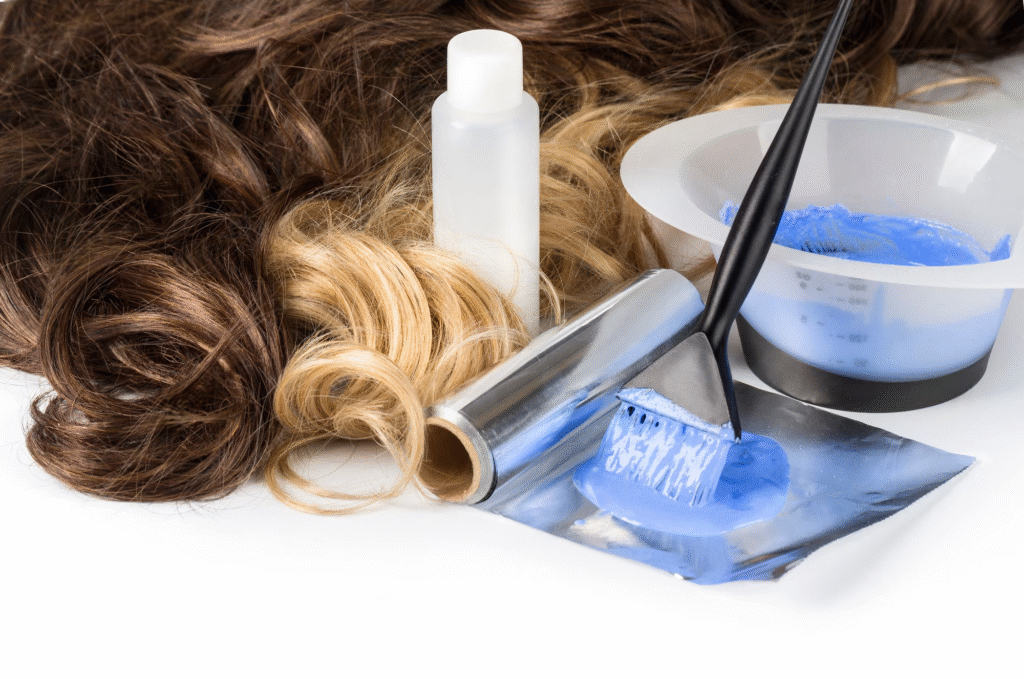
A colourist mixes a formula, applies it, the client loves the result. But nobody writes down the exact formula. Or it’s scribbled on a sticky note that gets lost. Or it’s “in the colourist’s head” which is fine until that colourist is off sick, on leave, or moves to another salon.
Every colour formula needs to be recorded with:
Exact product names and shade numbers
Mixing ratios (e.g., 1:1.5 colour to developer)
Developer volume used
Processing time
Any toner applied after, including timing
- The date and the colourist who mixed it
Whether you use a digital system, a spreadsheet, or a physical client card doesn’t matter as long as it actually gets done consistently.
The goal is simple: any colourist in your salon should be able to look up a returning client’s formula and reproduce it accurately without guessing.
The brand you standardise on also shapes how easily formulas transfer between stylists, since shade naming and mixing ratios differ across systems. For a brand-by-brand breakdown see our guide to professional hair color brands for Malaysian salons.
3. Standardise Your Mixing Process
Here’s a question most salon owners don’t ask themselves: if two colourists in your salon mix the same formula, will the result be identical?
Usually, the answer is no.
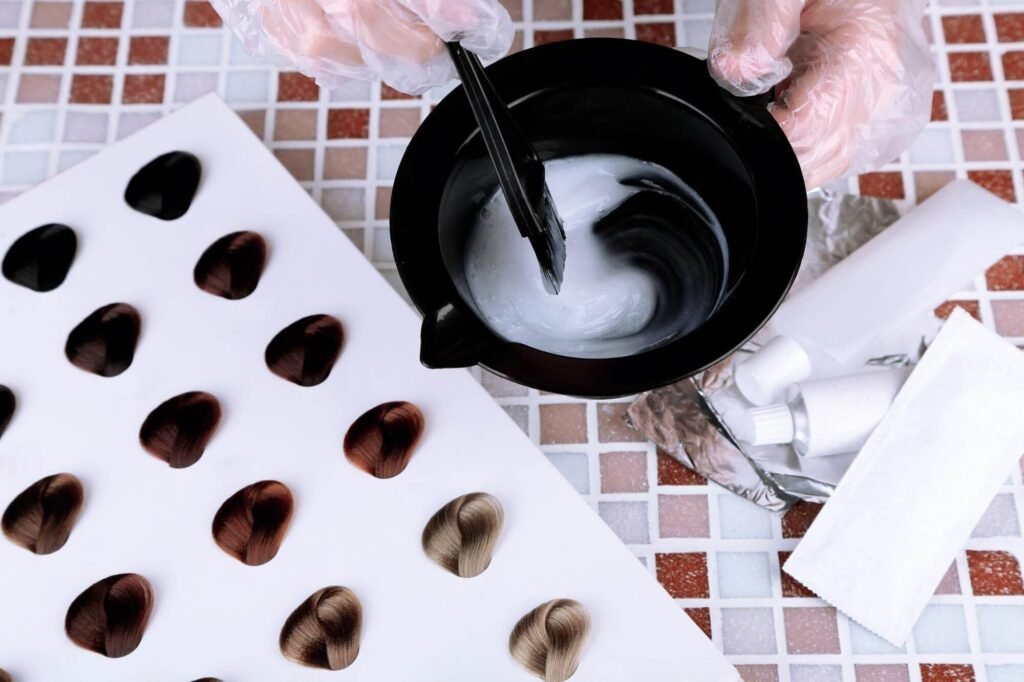
Manual mixing introduces small variations every time. One colourist squeezes a bit more colour from the tube. Another estimates the developer volume slightly differently. Over time, these small differences compound, and the client sees the result.
There are a few ways to tighten this up:
Use measuring tools. A digital scale that measures in grams takes the guesswork out of mixing. It costs under RM100 and immediately improves accuracy.
Create mixing SOPs. Write down your salon’s standard operating procedure for colour mixing. Which products are measured by weight vs. volume? What’s the standard processing time for each developer strength? Make it clear so every colourist follows the same method.
Consider digital colour mixing technology. This is where machines like digital hair color dispensers come in. They measure, dispense, and mix the formula automatically. Same proportions, every single time. The formula is stored digitally, so any colourist can recall it for returning clients.
At BeHairppy, we use a 5G digital hair color machine in our own salon. It’s not a replacement for a skilled colourist, it’s a tool that handles the precision so the colourist can focus on the artistry. The consistency difference is noticeable, especially for clients who visit regularly.
4. Control Your Variables During Application
Even with a perfect formula, application inconsistency can throw off results. A few things to standardise:
Section size matters. Inconsistent sectioning means some parts of the hair get more product saturation than others. Train your team to section uniformly.
Timing is everything. Set a timer from the moment application starts, not from when it finishes. On a full head, application alone can take 20-30 minutes, which means the first sections process longer than the last. Factor this into your timing.
Room temperature affects processing. If your salon runs warm (common in Malaysia), colour may process faster. If the client is under aircon directly, it may process slower. Be aware of these environmental factors.
Check before rinsing. Always do a strand check before rinsing out. Don’t rely solely on the clock, look at the actual hair.
5. Build a Colour Review Into Your Workflow
After every colour service, take 60 seconds to review:
- Did the result match the target?
- Was the formula accurate or did it need adjustment?
- Were there any surprises (colour pulling warmer, darker, lighter than expected)?
- Update the client’s formula record if any changes were made
This review turns every colour service into a data point. Over time, you build an incredibly precise understanding of how each client’s hair responds, which makes every subsequent visit more accurate.
6. Handle “It Looks Different” Conversations Proactively
Even with the best system, sometimes a client feels the colour isn’t quite right. How you handle this moment defines whether they come back or not.
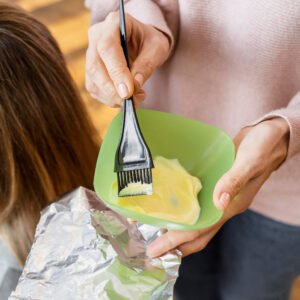
Don’t be defensive. “We used the same formula” isn’t what the client wants to hear. They want to feel heard.
Acknowledge and diagnose. Pull up their formula record, compare photos from the last visit, and talk through what might have changed, hair condition, sun exposure, home care products can all affect how colour looks.
Offer a solution on the spot. A quick toner adjustment or gloss treatment can often fix a perceived colour difference in 15 minutes. The cost to your salon is minimal. The cost of losing the client is much higher.
Being proactive about this, checking in during the reveal, asking “does this match what you were hoping for?” catches issues before they become silent reasons to leave.
The cost of moving from manual mixing to digital dispensing is covered in our manual vs digital hair color mixing cost comparison if you want the financial side of the conversation.
The System Is the Competitive Advantage
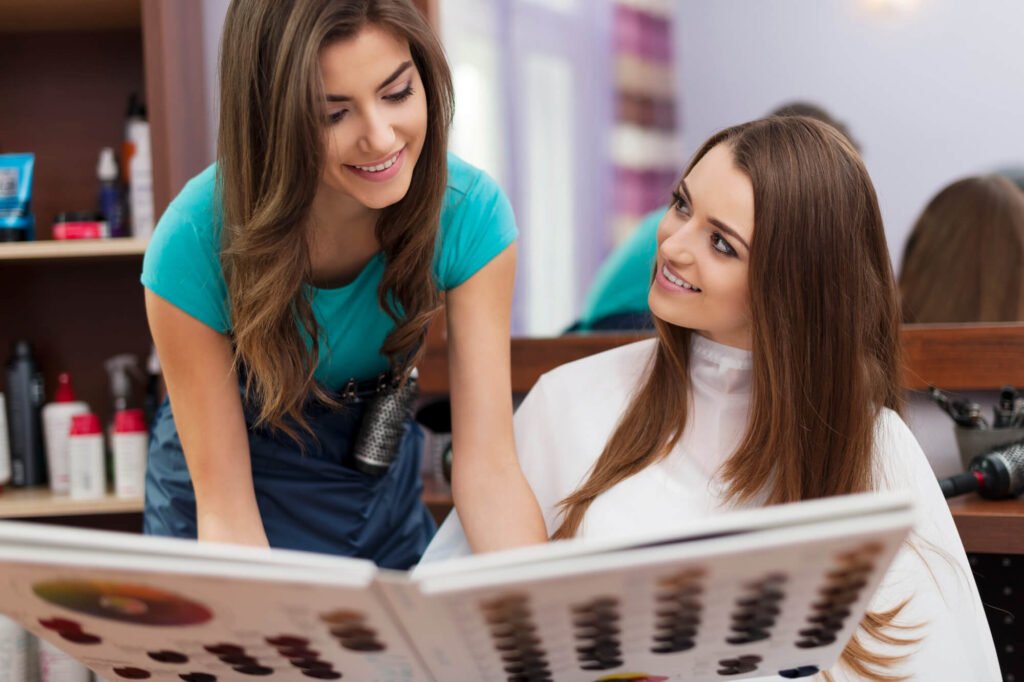
The best salons don’t rely on individual talent alone. They build systems that make consistency automatic, from how consultations are conducted, to how formulas are recorded, to how colour is mixed and applied.
When every colourist in your salon follows the same process, your clients get the same quality experience regardless of who’s on shift. That’s what builds real loyalty, and that’s what separates a good salon from one that clients genuinely recommend.
If you’re interested in how digital colour mixing fits into this system, or want to see how it works in a real salon environment, you’re welcome to visit us at BeHairppy in KL Gateway.