Cart 0

The biggest colour shift in Malaysian salons this year is not a single loud shade. It is the move to soft, natural, low maintenance colour that still looks expensive on camera. Ash browns, lived in balayage, and glossy natural blacks are filling the appointment book, while harsh block colour is fading out. The trends are beautiful. The hard part, for any salon running more than one chair, is delivering them the same way every time.
This guide covers the hair colour trends shaping Malaysian salons in 2026, who they suit, and the operational side most trend articles skip: how to keep a signature shade consistent across different stylists and repeat visits, so a client who loved her colour in January gets the exact same result in April.
The hair colour shades Malaysian salons are booking in 2026
The common thread across 2026 is “expensive natural”. Clients want colour that looks intentional and polished but grows out softly, because nobody wants a hard root line or a salon visit every three weeks. Here are the shades driving bookings.
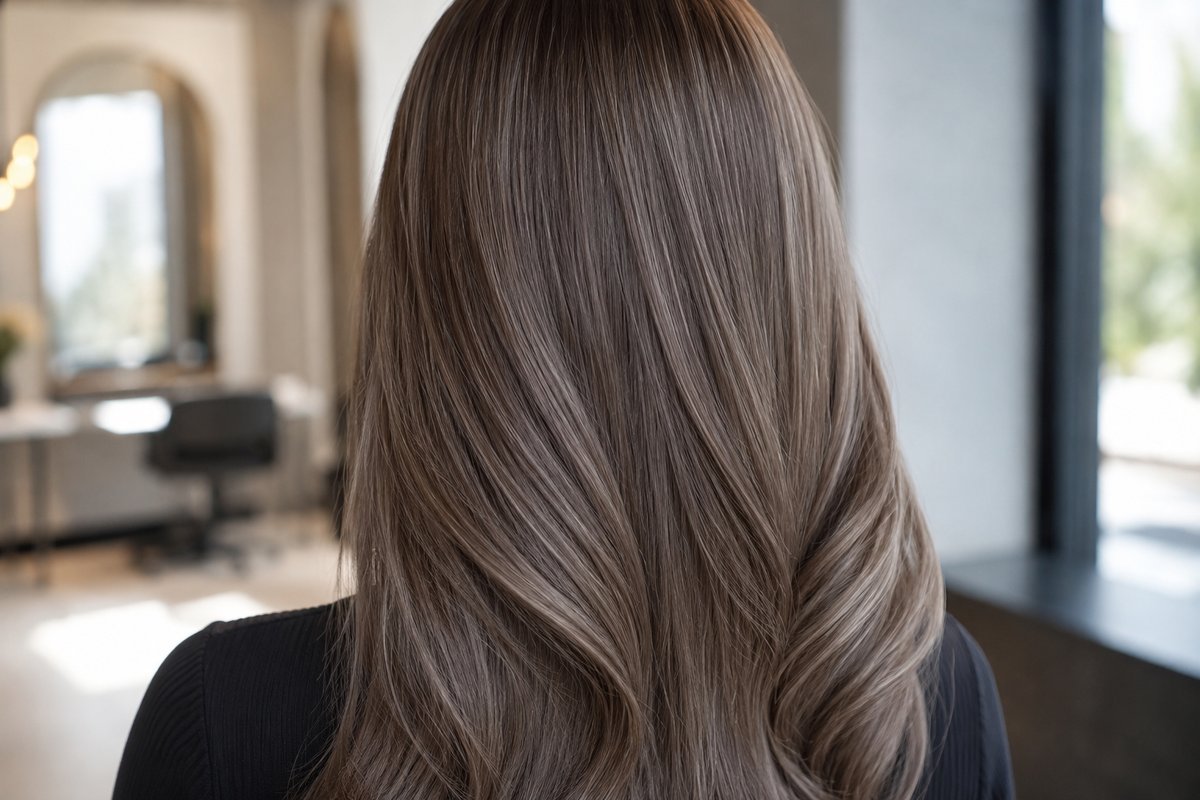
Ash brown and mushroom brown
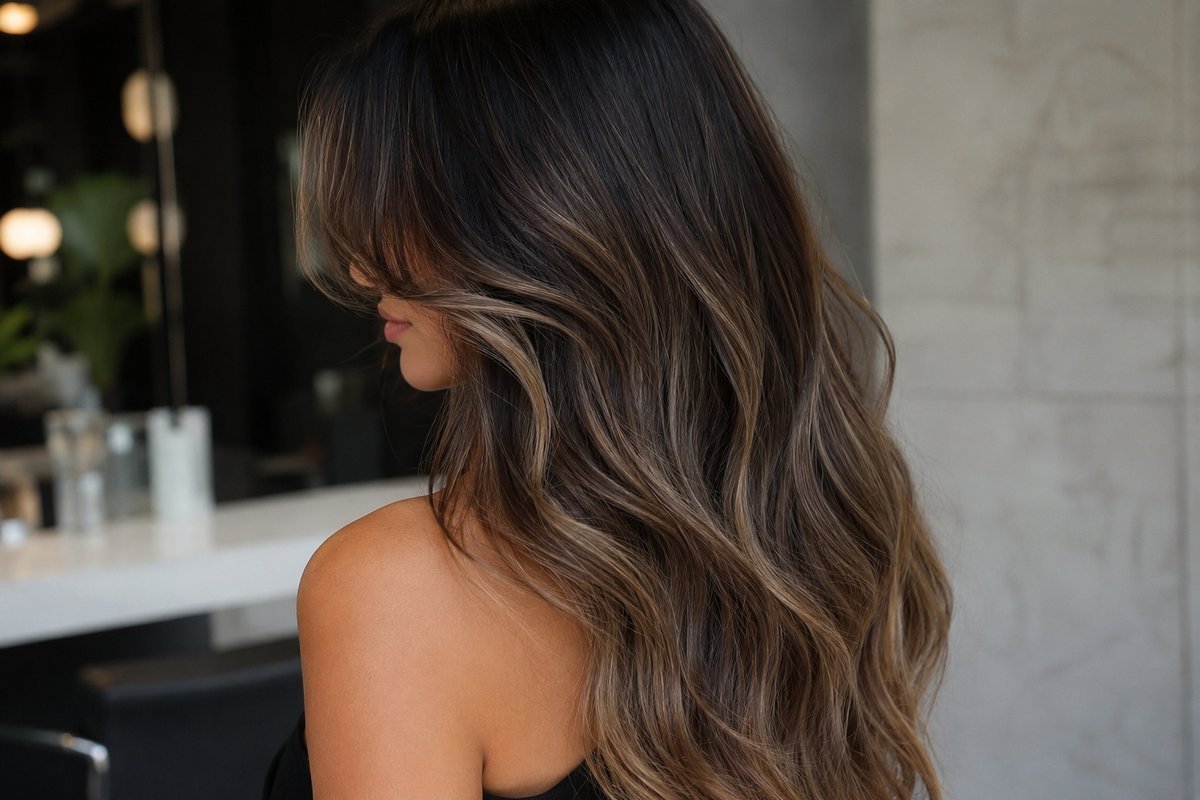
Ash brown is the workhorse colour of 2026 in Malaysia. It cools down the warm, brassy tones that local hair and humidity tend to pull, and it flatters a wide range of skin tones. Mushroom brown, a soft greige variation, is the editorial version of the same idea. Both read as natural in daylight and crisp under salon lighting, which is why they photograph so well for social media.
The catch is that ash and greige tones are unforgiving. A few grams of the wrong developer or a slightly off ratio and the result swings warm or muddy. Consistency is everything with these shades.
Soft balayage and lived in colour
Balayage has matured from the chunky, high contrast look of a few years ago into something softer. The 2026 version is seamless: gentle face framing, a blended root shadow, and a colour melt that grows out without an obvious line. It is popular because it stretches the time between salon visits, which suits busy clients and protects the hair.
For salons, balayage and lived in colour are premium services with strong margins. They are also formula heavy, often mixing several tones in one appointment, which makes record keeping and repeatability a real operational challenge.
Glossy natural blacks and blue blacks
Not every client wants to lift and lighten. A large share of the Malaysian market wants rich, healthy looking dark hair. In 2026 that means glossy natural blacks and subtle blue blacks with high shine, often paired with a gloss or toner to keep the colour from looking flat. It is a dependable, repeat friendly service that benefits hugely from consistent mixing, because clients notice immediately when a touch up does not match.
Warm coppers and golden browns
Warm is not dead, it has just gone refined. Soft coppers, golden browns, and caramel tones are in demand for clients who want warmth without going brassy. These shades suit warmer skin tones common across Malaysia and look striking in person. They rely on precise toning to stay in the gold and copper family rather than tipping orange.
Subtle highlights and babylights
Full head bleach is giving way to fine, low contrast highlights and babylights that add dimension without a dramatic grow out. They are a gateway service, easy to book, quick to deliver, and a natural lead in to a fuller balayage later. Done well, they keep clients coming back on a comfortable cycle.
Why 2026 colour trends are harder to deliver than they look
Every shade above shares one feature: it is soft, multi tonal, and natural. That is exactly what makes it difficult to reproduce. A block colour either matches or it does not. A lived in greige or a custom balayage formula has more room to drift, and clients feel the difference even when they cannot name it.
Three things quietly cost salons money here.
First, redos. When an ash brown comes out too warm or a balayage melt does not match the last visit, the fix is a free correction, lost chair time, and a dent in trust. Second, stylist variation. Two colourists working from the same shade chart can mix it slightly differently, so the client’s result depends on who is on shift. Third, formula memory. When a client’s exact recipe lives in a stylist’s head or a scribbled note, it walks out the door the moment that stylist is on leave or moves on.
These are not creativity problems. They are consistency problems, and they get worse as a salon grows.
How to deliver trend shades consistently every time
Quick answer: To reduce hair dye waste and keep colour consistent across stylists, record every client’s exact formula, mix colour and developer by weight rather than by eye, and standardise the process so any stylist can reproduce a shade. Salons that rely on memory and estimation get more redos and more waste. Many now use a digital colour mixer to dispense by the gram, store each formula, and cut leftover dye.
The salons that win repeat colour clients in 2026 are not necessarily the most artistic. They are the most repeatable. A client returns because she trusts that her colour will look the same in April as it did in January. Our salon owner’s guide to consistent hair colour goes deeper, but three habits make the biggest difference.
Record every formula by client, not by memory. The exact shades, ratios, developer, and processing time should be saved against the client’s profile so any stylist can reproduce it. This single change removes most touch up mismatches.
Mix by weight, not by eye. Soft, multi tonal 2026 shades live or die on precise ratios. Measuring colour and developer by the gram, rather than estimating by squeeze, is the difference between a greige that stays cool and one that turns muddy.
Control waste at the same time. Over mixing is the hidden tax on a busy colour bar. Mixing the precise amount needed for each head keeps margins healthy on premium balayage and correction work.
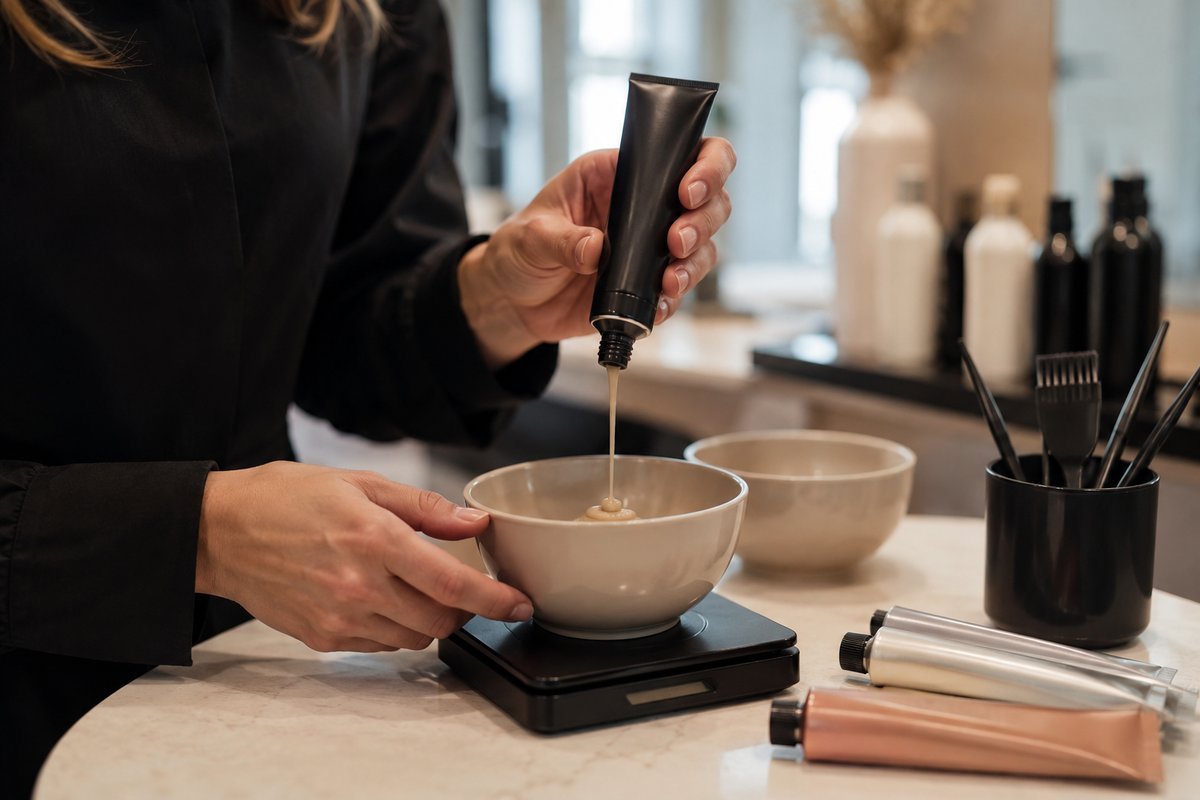
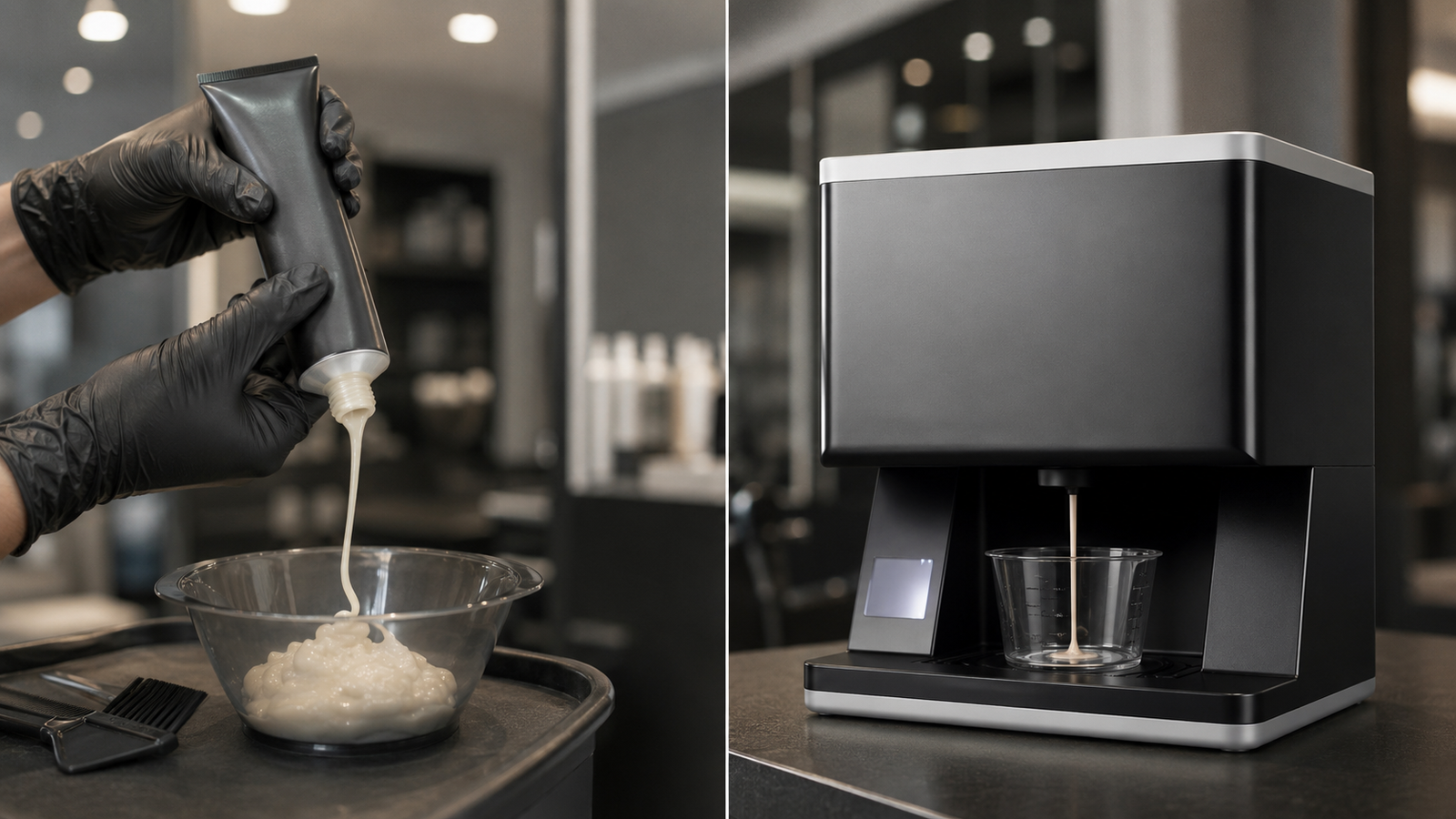
This is where the colour bar setup matters as much as the colourist. Tools that record and repeat a formula, dispense by weight, and cut leftover dye take the consistency problem off the stylist and build it into the workflow. Salons upgrading from manual bowls in 2026 are doing it precisely so trend shades like ash brown and soft balayage come out the same on every visit, regardless of who is holding the brush. If you are weighing that upgrade, our digital hair colour mixer for salons is built around exactly this: it measures and dispenses colour by weight, stores every formula for repeat clients, and helps reduce dye waste, so a signature shade stays a signature shade. The real cost comparison of manual versus digital mixing breaks down the numbers if you want to see the maths.
Choosing the right colour line for these trends
Trend shades are only as good as the colour line behind them. Ash and greige tones in particular need a brand with a strong cool and ash range, reliable toners, and consistent pigment load batch to batch. Rather than chase whichever brand is cheapest this month, pick a line your team knows deeply and can mix predictably. For a fuller breakdown of how to choose, see our guide on professional hair colour brands for Malaysian salons. The point worth repeating: a brilliant formula is wasted if it is mixed inconsistently, so the colour line and the mixing process have to work together.
What this means for your salon in 2026
The 2026 colour story in Malaysia is soft, natural, and premium, which is great for margins and terrible for guesswork. Ash brown, soft balayage, glossy darks, refined warmth, and subtle highlights are all multi tonal services that reward precision and punish drift. The salons that turn these trends into loyal, repeat colour clients are the ones that record every formula, mix by weight, and keep their results identical from one stylist and one visit to the next.
Get the consistency right and the trends take care of themselves.
Frequently asked questions
What is the most popular hair colour in Malaysia in 2026?
Ash brown leads the natural colour category in Malaysian salons in 2026, alongside soft balayage and glossy natural blacks. The common theme is low maintenance, expensive looking colour that grows out softly rather than bold block shades.
Is ash brown hair high maintenance?
Ash brown is lower maintenance than bright or fashion shades, but it needs precise mixing and regular toning to stay cool, because Malaysian hair and humidity tend to pull warm. A recorded, repeatable formula keeps each touch up consistent.
How do salons keep hair colour consistent between visits?
By recording each client’s exact formula against their profile, mixing colour and developer by weight rather than by eye, and using the same colour line each time. Salons that rely on stylist memory get more mismatches and free corrections.
Is balayage still on trend in 2026?
Yes, but the look has softened. The 2026 balayage is seamless and natural, with gentle face framing and a blended root shadow, designed to grow out without a hard line and to stretch the time between salon visits.
How can a salon reduce hair colour redos?
Most redos come from inconsistent mixing and lost formulas. Recording formulas digitally, measuring by weight, and standardising the mixing process across stylists removes most of the variation that leads to corrections.